%20(13).avif)


.jpg)
Your regular fourball has been the same for three years. Same time, same course, same argument about whose turn it is to buy the first round. Then last month, one of you stopped turning up.
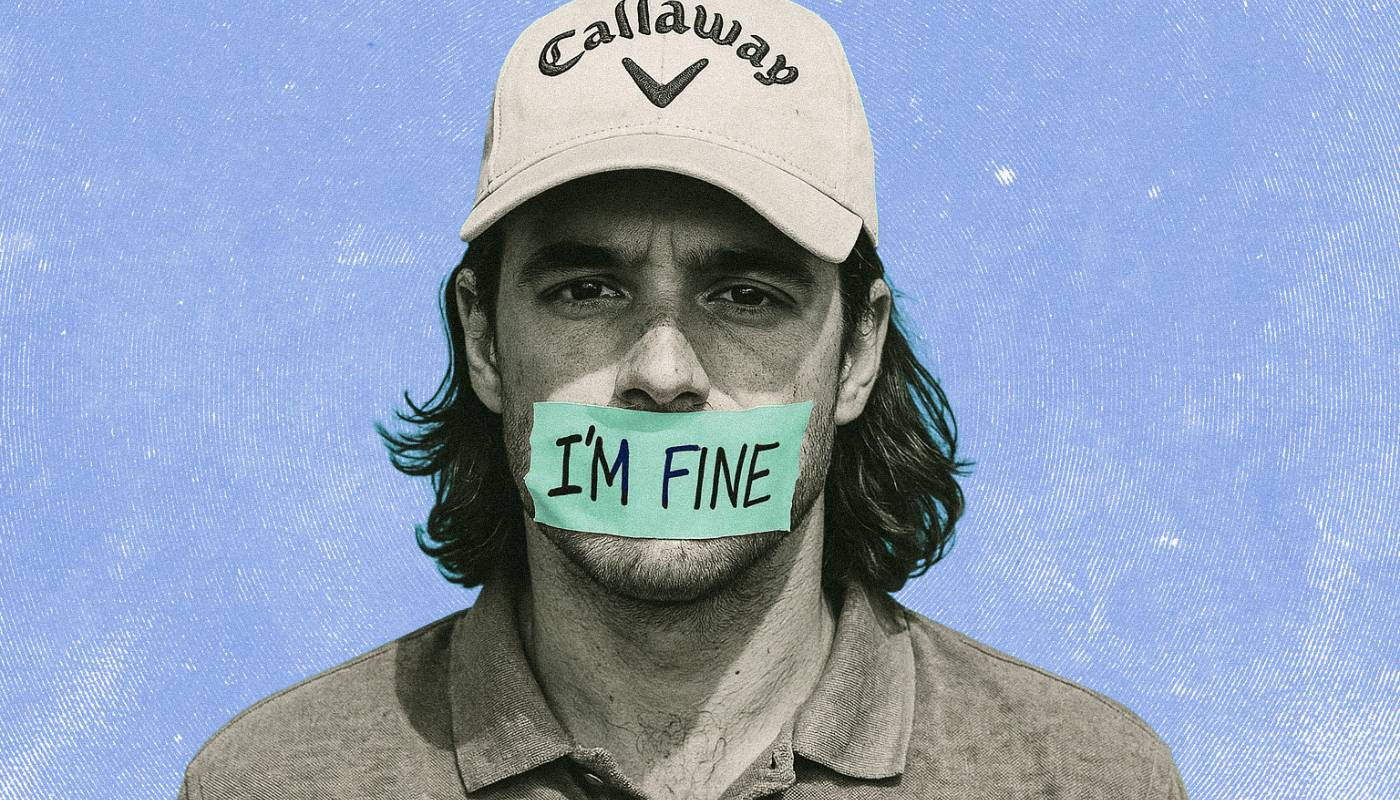
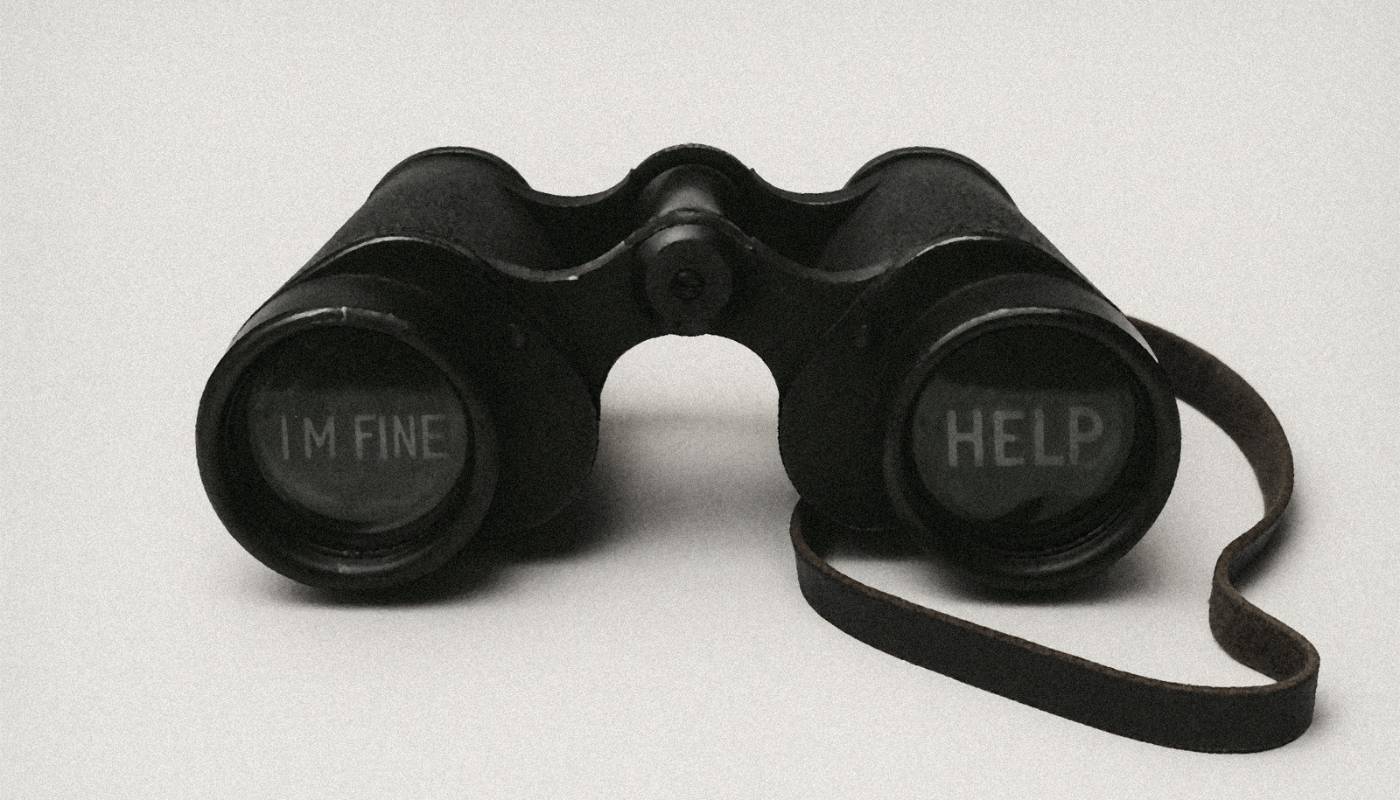
You've sent a text. They said they're fine, just busy. But they're not usually this quiet, and they don't usually miss a round they'd normally moan about missing. Something feels off, and you don't know what it means or what you're supposed to do about it.
That's the moment this guide is for.
Nobody's diagnosing anybody here. It's about noticing that something has shifted, taking it seriously, and knowing what to do next.
Quick takeaways
When It's You
When something's off with you, it rarely shows up as one big, obvious moment. It's usually a handful of small changes, like these:
- You're awake at 5am for no reason, when you used to sleep through.
- You snap at your partner over the dishwasher, which isn't like you.
- The clubs have been in the boot for three weeks and you can't be bothered to get them out.
- You're drinking more than usual, eating less, or both.
- Everything feels heavier than it should, even when nothing's especially wrong.
On their own, none of these mean much. Everyone has a bad week, a rubbish night's sleep, a month where golf feels like a chore. What's worth paying attention to is when several turn up together, they're not like you, and they've hung around for a couple of weeks or more.
So what do you actually do?
Notice it. Say it to yourself plainly, or type it into the notes on your phone: "I'm not sleeping." "I've stopped going to the club." You're not diagnosing yourself, just noticing that your usual pattern has changed.
Tell someone. Your partner, a mate, a family member, your GP. You don't need a full explanation or to know what it means. "I've not been myself for a few weeks. I'm sleeping badly and I'm snappy" is plenty.
Do one small thing. Book a GP appointment. Ask a mate if they fancy nine holes this week. Find out whether your club has a Mental Health Lead. Pick the one that feels manageable today, not the one you think you ought to do.
See your GP if it's sticking around. If it's lasted a couple of weeks or more, or it's getting in the way of work, sleep or the people around you, book an appointment. That's exactly what GPs are there for. If you're drinking heavily every day, talk to your GP before cutting down, because stopping suddenly can be dangerous.
Get help straight away if you feel unsafe. If you're having thoughts of suicide or of harming yourself, don't wait to see how it goes. Call Samaritans on 116 123, text SHOUT to 85258, or call NHS 111. If you think you might act on those thoughts, call 999 or go to A&E.
{{divider-main="/content-templates"}}
When it's a mate
It might be someone in your fourball who's gone quiet. A mate who's started cancelling at the last minute. The one who's normally first to the bar and has started heading straight home.
You don't know what it means, and you don't need to. It could be work, money, a relationship, or something more serious. Your bit is noticing, then doing something small about it.
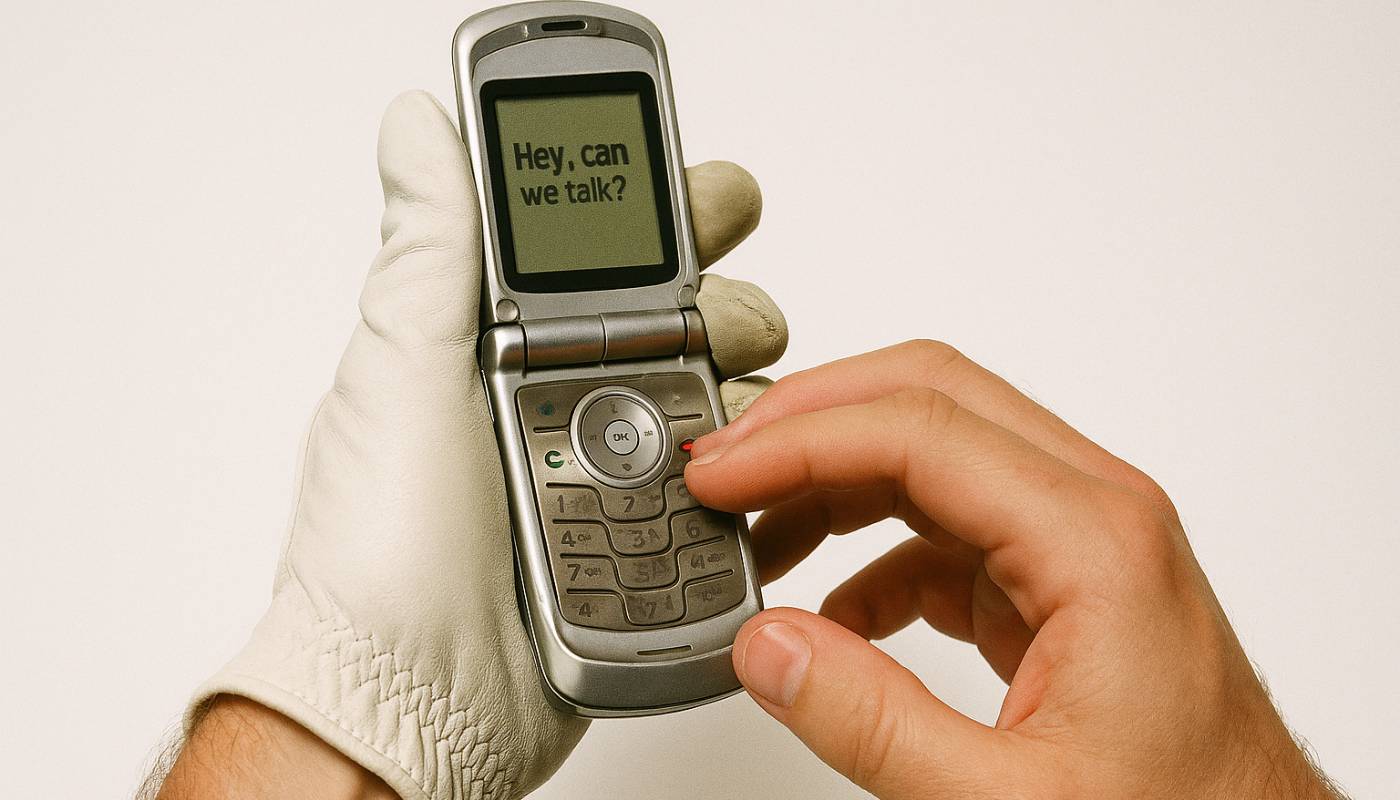
Make a specific invite. "Let me know if you need anything" sounds kind, but it leaves all the work to them. Something concrete is easier to say yes to: "Fancy a quiet nine on Thursday?" or "Coffee after the roll-up?" If they say no, that's fine. If they say yes, you've got some ordinary time together, which helps more than it sounds.
Listen if they talk, and don't push if they don't. If they open up, you don't need to fix anything or find the perfect words. "That sounds rubbish, thanks for telling me" is a good answer. If they don't bring anything up, leave it. The round is allowed to just be a round.
Check in again. A week or two later, follow up. A quick text is enough: "How's the week been?" or "Still on for Thursday?" Or invite them out again, the same way you normally would. Either way, it shows you haven't forgotten and you're not going anywhere. "Fine" the first time doesn't always mean fine, and people often say more the second or third time someone asks.
Know when it needs more than a mate. If they say they can't cope, or something they say worries you, encourage them to speak to their GP and offer to help them make the call. You're not passing them on. You're taking it seriously.
If you're worried about their safety, ask directly. It's okay to ask, "Are you thinking about suicide?" Asking won't put the idea in their head, and people often feel relieved to be asked. If they're in immediate danger, call 999 and stay with them if you can. Samaritans (116 123) will also talk to you if you're worried about someone else.
{{divider-main="/content-templates"}}
Why golfers are often first to notice
Golf gives you something most of life doesn't: the same people, at the same time, every week, often for years. That routine can be a real anchor when someone's struggling, and it's also why you're often the first to spot when someone steps away from it.
A round isn't therapy, and you're not anyone's counsellor. But noticing a change and doing one small thing about it can make a real difference, for your mate and for you.
Most changes are small, and plenty pass on their own. Some are worth taking to someone who can help properly. Either way, it starts with spotting them, saying something, and knowing where to go next.
{{divider-main="/content-templates"}}
Where to get help
Get help straight away if you feel unsafe. If you're having thoughts of suicide or of harming yourself or anyone else, don't wait to see how it goes. Call Samaritans on 116 123, text SHOUT to 85258, or call NHS 111. If you think you might act on those thoughts, call 999 or go to A&E.
- If someone is in immediate danger: call 999 or go to A&E.
- Your GP: your first stop for anything affecting your sleep, mood, drinking, or ability to do the things you normally do.
- Samaritans: 116 123, free, 24 hours a day. You don't need to be in crisis to call, and you can call if you're worried about someone else.
- Shout: text SHOUT to 85258, free, 24 hours a day.
- CALM: 0800 58 58 58 or webchat at thecalmzone.net, 5pm to midnight every day.
- NHS 111: for urgent help that isn't an emergency.
- Your club: if your club has a Mental Health Lead, they can point you in the right direction.
- Mind: mind.org.uk, for information on a wide range of mental health problems.
- NHS Talking Therapies: in England, you can refer yourself without seeing your GP first.
If you have concerns about your mental health or well-being, please speak to a qualified health or mental health professional.


.avif)





.jpg)






.avif)